MPP pipes, also known as Modified Polypropylene pipes, have gained widespread popularity in building construction due to their excellent properties such as high strength, corrosion resistance, and long – term durability. As a trusted MPP pipe supplier, I understand that knowing the correct installation requirements is crucial for both contractors and building owners. In this blog, I will discuss the key installation requirements for MPP pipes in buildings. MPP Pipe
Site Preparation
Before starting the installation of MPP pipes, proper site preparation is essential. First, the construction area must be cleared of any debris, rocks, or other obstacles that could damage the pipes during installation. The soil should be compacted evenly to provide a stable base for the pipes. If the soil is too soft or unstable, additional measures such as adding a layer of gravel or sand might be necessary to improve the load – bearing capacity.
The trench for laying the MPP pipes should be dug according to the design specifications. The width of the trench should be sufficient to allow for easy installation of the pipes and provide enough space for jointing and backfilling. A general rule of thumb is to make the trench at least 300mm wider than the outside diameter of the pipe. The depth of the trench also depends on factors such as the type of building, the location of other underground utilities, and local building codes. Usually, for non – traffic areas, the minimum burial depth for MPP pipes is around 0.7m, while in traffic areas, it may need to be deeper, often around 1.2m.
Pipe Handling and Storage
Proper handling and storage of MPP pipes are important to prevent damage before installation. When lifting the pipes, appropriate lifting equipment should be used, such as slings made of soft materials to avoid scratching or deforming the pipes. The pipes should be lifted from their designated lifting points to ensure even distribution of the load.
During storage, MPP pipes should be stored in a cool, dry place away from direct sunlight. Ultraviolet rays can cause the pipes to degrade over time, reducing their strength and durability. The pipes should be stacked in an orderly manner, with appropriate spacers between the layers to prevent deformation. It is also recommended to cover the pipes with a protective sheet to further safeguard them from environmental factors.
Pipe Jointing
The method of joining MPP pipes is a critical aspect of the installation process, as it directly affects the integrity and performance of the pipeline system. There are mainly two common jointing methods: heat fusion welding and rubber ring sealing.
Heat Fusion Welding
Heat fusion welding is a widely used method for joining MPP pipes. This process involves heating the ends of the pipes to a specific temperature using a heating tool and then pressing them together to form a permanent bond. To ensure a successful heat fusion weld, the following steps should be followed:
- Pipe End Preparation: The ends of the pipes to be welded should be cleaned thoroughly to remove any dirt, grease, or oxidation. A clean surface is necessary for a strong bond. After cleaning, the pipes should be deburred to ensure a smooth and even contact surface.
- Heating: The heating tool should be set to the appropriate temperature according to the pipe manufacturer’s recommendations. Generally, the heating temperature for MPP pipes ranges from 210°C to 230°C. The ends of the pipes are then placed on the heating tool until they reach the molten state.
- Joining: Once the pipes are heated, they should be quickly removed from the heating tool and pressed together with a certain pressure. The pressure should be maintained for a sufficient time to allow the molten plastic to flow and form a strong bond. The exact time and pressure depend on the pipe diameter and wall thickness.
Rubber Ring Sealing
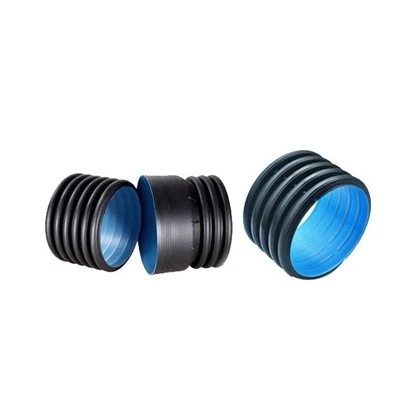
Rubber ring sealing is another option for joining MPP pipes, especially in situations where heat fusion welding may not be practical. For this method, a rubber ring is inserted into the socket end of the pipe, and the spigot end of the other pipe is then inserted into the socket.
- Rubber Ring Selection: The rubber ring should be made of a material that is compatible with MPP pipes and the fluid or gas that will flow through the pipeline. It should also have the appropriate size and shape to ensure a tight seal.
- Installation: The socket and spigot ends of the pipes should be cleaned and lubricated with a suitable lubricant. The rubber ring is then carefully placed in the groove of the socket end. The spigot end is inserted into the socket until it reaches the correct position, and the rubber ring forms a seal around the joint.
Backfilling
After the MPP pipes are installed and the joints are inspected, backfilling is the next step. Backfilling materials should be carefully selected to avoid damage to the pipes. Coarse – grained soil, such as sand or gravel, is usually preferred as it provides good drainage and reduces the risk of soil settlement.
Backfilling should be done in layers, and each layer should be compacted gently to avoid applying excessive pressure on the pipes. The first layer of backfill, usually around 150 – 300mm thick, should be placed immediately after the pipes are installed to protect them from mechanical damage during subsequent backfilling operations. This first layer of backfill should be free of rocks and other sharp objects.
Testing
Once the backfilling is completed, the MPP pipeline system should be tested to ensure its integrity and functionality. Pressure testing is a common method used for testing MPP pipes. The pipeline is filled with water, and the pressure is gradually increased to a specified value, usually above the normal operating pressure. The pressure is then maintained for a certain period, typically 1 – 2 hours, to check for any leaks.
Vacuum testing can also be used in some cases, especially for systems that are intended to carry gases or for pipes that are installed in areas where pressure testing may not be feasible. During vacuum testing, a vacuum is created inside the pipeline, and the system is monitored for any changes in pressure that may indicate a leak.
Compliance with Codes and Standards
Throughout the installation process, it is essential to comply with relevant building codes and industry standards. Different regions may have specific requirements regarding the installation of MPP pipes, including minimum burial depth, jointing methods, and testing procedures. Failure to comply with these codes and standards can result in safety hazards, legal issues, and premature failure of the pipeline system.
As a supplier, I am committed to assisting my customers in ensuring that their MPP pipe installations meet all the necessary requirements. I provide detailed product information and technical support to help contractors and building owners make the right decisions during the installation process.
In conclusion, the correct installation of MPP pipes in buildings requires careful site preparation, proper handling and storage of the pipes, appropriate jointing methods, careful backfilling, thorough testing, and compliance with codes and standards. By following these installation requirements, you can ensure the long – term performance and reliability of your MPP pipe system.
HDPE Pipes and Fittings If you are in need of high – quality MPP pipes for your building project, I invite you to get in touch with me for procurement discussions. Whether you have questions about installation requirements or need assistance in selecting the right pipe products, I am here to help.
References
- "Plastic Pipes Handbook" by Fritz Roetzel
- Industry standards related to MPP pipes such as ASTM D3350 for polyethylene plastic pipe materials
Shanxi Kaisheng Plastic Co., Ltd.
Shanxi Kaisheng Plastic Co., Ltd. is one of the most professional mpp pipe manufacturers and suppliers in China, featured by quality products and good price. Welcome to buy durable mpp pipe made in China here and get quotation from our factory. We also accept customized orders.
Address: No. 72, Area S, Gate 1, Haohai Wumart, Fendong Street, Xiaodian District, Taiyuan City, Shanxi Province
E-mail: sxkssj8@163.com
WebSite: https://www.sxksgys.com/
