Hey there, fellow baby gear lovers! If you’ve ever scrolled through baby romper collections at 2 a.m. (guilty), you’ve probably thought: “Wait, can I just make one of these at home?” And as someone who’s actually in the business of supplying baby rompers for a living, I’ve got way more thoughts on this than just a quick Google answer. Let’s break this down—no stuffy textbooks, just real talk about homemade vs. store-bought, and whether DIY rompers are actually worth the effort. Baby Romper

First off, let’s cut to the chase: Yes, you can make baby rompers at home. It’s totally doable. But before you grab that old cotton t-shirt from your closet and a pair of scissors, let’s talk about the stuff that matters most when it comes to babies—safety, fit, and longevity. Because a romper that looks cute on TikTok is useless if it’s a strangulation hazard, or if it only fits your baby for one wear.
I see so many new parents jumping into DIY baby clothes for two reasons: It’s cheaper than buying branded rompers, and it feels like a fun, personal project for their little one. Don’t get me wrong, that warm, fuzzy feeling of making something with your own hands is unbeatable. But let’s be real—if you’ve never sewn before, diving into a romper pattern that has snap crotches and elastic leg openings can feel like trying to solve a puzzle blindfolded. Even if you’re an experienced sewer, babies change size so fast (hello, growth spurts where they gain a pound in a week) that your perfect homemade romper might fit for, like, three days. That’s a bummer.
Now, let’s get into the science of what makes a good baby romper. The best ones—whether homemade or store-bought—are made from fabric that’s soft, breathable, and doesn’t trap heat. Babies have way thinner skin than adults, so scratchy materials, stiff seams, or fabrics with harsh dyes can cause rashes way easier than you’d think. For homemade rompers, that means skip the polyester blends—go for 100% cotton, organic cotton if you can swing it, or even bamboo viscose. Wait, why organic? Conventional cotton uses a ton of pesticides, which can linger on the fabric even after washing. Some of those chemicals might irritate a baby’s sensitive skin, especially if they have eczema or allergies. I’ve seen way too many babies come into our supply line with rashes from cheap, non-organic rompers, so this isn’t just a random tip—it’s actually backed by pediatric dermatology notes.
Then there’s the fit. Baby rompers need to be loose enough to let them kick, crawl, and roll, but not so baggy that they get stuck on things (like car door handles, or between slats in a crib). The snap closure is another big one—homemade rompers often use zippers, but zippers can dig into a baby’s back if they’re not aligned right. Snaps are better because they’re easy to change, and they won’t catch on baby’s hair or fingernails. That said, homemade projects sometimes skip reinforcing the snaps, so after a few washes, they pop off too easily or get lost. Not ideal for a middle-of-the-night diaper change, which is already chaotic enough.
Wait, let’s talk about time and cost, because that’s a huge factor. I know a lot of people think “DIY = cheap,” but when you add up the cost of fabric, thread, snaps, and patterns, a homemade romper can end up being almost as expensive as a good quality store-bought one. Unless you have fabric lying around already, that is. And if you mess up the first couple of tries (let’s be real, most people do—sewing is a learning curve), that’s even more money wasted. I’ve had customers come to us saying they tried to make their own rompers, and after three failed attempts, they just bought from us because it was faster and less stressful. For working parents, especially, time is way more valuable than saving a few bucks on fabric. There’s nothing worse than spending an hour sewing a romper, only to realize the armholes are too tight and baby can’t move their arms. Oops.
But don’t get me wrong—DIY rompers are amazing for certain people. If you’re crafty, you have extra time, or you want a custom design that you can’t find in stores (like a romper with your baby’s name stitched on the front, or a fabric that has special meaning to your family), go for it! I’ve seen photos of homemade rompers that are so cute, I’d love to sell them in our line—they have that one-of-a-kind vibe that mass-produced stuff just can’t match. There are even free patterns online these days, which make it way easier for beginners. Just make sure to pick a pattern that’s rated for newborns or infants, not a pattern for a toddler. Toddler patterns are too big, and babies grow so fast that you’ll only get one wear out of it.
Another thing to consider: safety standards. In many countries, baby clothing (including rompers) has to meet strict safety regulations—like limits on loose threads, small parts that can be a choking hazard, and flame resistance (though rompers are usually exempt from flame rules, since they’re worn close to the body). When you make a romper at home, you’re responsible for following those same rules. No small buttons, no long loose strings that can wrap around a baby’s neck. That’s a big responsibility, and a lot of new parents don’t even think about it when they’re excited to start a project.
Let’s switch gears a little—since I’m in the baby romper supply business, I know a thing or two about what parents actually need. When you buy rompers from a supplier, you’re not just getting clothes—you’re getting items that are tested for safety, made from durable fabric that washes well, and designed to fit newborns through toddlers (which is a huge size range, by the way). Our rompers, for example, are made with extra soft organic cotton that doesn’t pill after multiple washes, and the snaps are reinforced so they don’t pop off mid-diaper change. We also offer bulk options for parents who go through a lot of rompers (hello, spit-up, blowouts, and all the other fun baby stuff), which is way more convenient than sewing 10 rompers at home.
But I get it—some people just love the DIY process. If that’s you, go for it! Just take your time, use safe materials, and test the fit on your baby before you do a bunch of them. Pro tip: Use old, soft sheets from your linen closet as test fabric before cutting into nice material. That way, if you mess up, you don’t waste expensive fabric.
Now, if you’re on the fence about DIY vs. buying, here’s my take: If you want a fun project, have extra time and materials, and need a super custom romper, DIY is great. If you want reliable, safe, affordable rompers that last through multiple washes and fit your baby for more than a few days, it’s way better to work with a supplier. We make rompers for all stages—from preemie to 24 months—and we make sure every single one meets safety standards and is comfortable for babies.
Wait, I should mention that a lot of parents who start with DIY rompers end up supplementing with store-bought ones. It’s not an either/or thing. I’ve had people tell me they make a few fancy rompers for photoshoots, and buy our basic, durable ones for everyday wear. That makes total sense—you don’t want to spend hours sewing a romper just for your baby to spit up on it at a family gathering.
Also, let’s talk about sustainability. A lot of people are worried about fast fashion these days, and rightfully so. But homemade rompers can be more sustainable if you use upcycled fabric—like old baby clothes, bed sheets, or even old t-shirts. That’s a great way to reduce waste, and it’s even more meaningful because you’re turning something old into something new for your baby. Just make sure the old fabric is clean and doesn’t have any stains or holes that can get worse after washing. When you buy rompers from a responsible supplier (like us), we also focus on sustainability—using eco-friendly fabrics and ethical manufacturing practices. So that’s a win-win either way, as long as you’re being mindful.
At the end of the day, there’s no wrong answer here. Making a baby romper at home is totally possible, and it can be a really special experience. But if you’re short on time, want consistent quality, or need bulk rompers for everyday use, working with a baby romper supplier is the way to go. We get it—raising a baby is chaotic enough, so why add the stress of sewing a bunch of clothes when you can get high-quality, safe rompers delivered right to your door?
If you’re interested in learning more about our romper options, or want to chat about bulk ordering, feel free to reach out to us for more details. We’re here to help make baby gear a little easier and a lot more comfortable for both you and your little one.
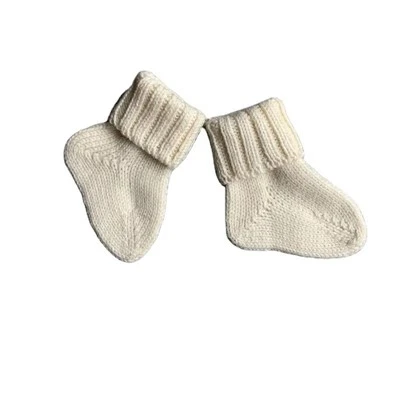
Baby Booties References
- American Academy of Pediatrics. (2022). Safety Guidelines for Infant Clothing. Pediatrics.
- National Institute of Environmental Health Sciences. (2021). Organic Cotton and Infant Skin Health. NIEHS Reports.
- Consumer Product Safety Commission. (2020). Baby Clothing Safety Standards: Snap Closures and Choking Hazards. CPSC.
- Journal of Pediatric Nursing. (2019). Fabric Selection for Sensitive Infant Skin. Journal of Pediatric Nursing.
- Textile Institute. (2021). Durability of Infant Apparel: Homemade vs. Mass-Produced. Textile Research Journal.
Shanxi Field Clothing Corp
As one of the most professional baby romper manufacturers and suppliers in China, we’re featured by quality products and low price. Please rest assured to wholesale bulk customized baby romper from our factory. Also, quotation is available.
Address: 31F Tower B, Wanda Center, No. 175 North Jiefang Road, Taiyuan, Shanxi
E-mail: info@imfieldcashmere.com
WebSite: https://www.imfieldclothing.com/
