As a supplier of bulletproof glass that meets the NIJ Standard, I often encounter inquiries from clients in the construction industry, especially those involved in high – rise building projects, about the suitability of our bulletproof glass for their needs. It’s a question that delves into the intersection of safety, functionality, and architectural design. In this blog post, I’ll explore the technical aspects, advantages, and considerations regarding using NIJ Standard bulletproof glass in high – rise buildings. Bulletproof Glass for NIJ Standard
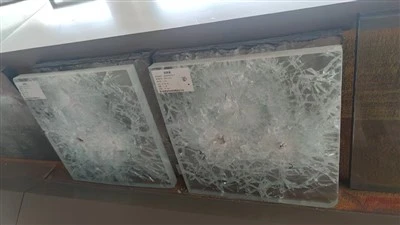
Understanding the NIJ Standard for Bulletproof Glass
The National Institute of Justice (NIJ) has established a comprehensive set of standards for bullet – resistant materials. These standards classify bulletproof glass based on its ability to withstand various types of firearms and ammunition. The NIJ ratings range from Level I to Level IV, with each level representing an increasing degree of protection. For instance, Level I is designed to stop small – caliber handguns, while Level IV can resist high – powered rifles.
The exact specifications for each level are rigorously tested. The testing involves firing a specific number of rounds at the glass from a defined distance. The glass must prevent the penetration of bullets and any spall (fragments that break off from the back of the glass upon impact) from reaching a specified depth on a backing material. When we supply bulletproof glass that adheres to the NIJ Standard, we ensure that each panel has undergone these strict tests and meets the required performance criteria.
Advantages of Using NIJ Standard Bulletproof Glass in High – Rise Buildings
High – Level Security
One of the most significant advantages is the enhanced security it provides. High – rise buildings are often prime targets, whether it’s due to the presence of high – profile individuals, valuable assets, or as symbolic structures. NIJ Standard bulletproof glass acts as a formidable barrier against armed attacks. In the event of a shooting, the glass can prevent bullets from entering the building, protecting the lives of occupants and safeguarding property.
Durability
The manufacturing process of NIJ – compliant bulletproof glass involves multiple layers of glass and polycarbonate materials. These layers are bonded together using advanced techniques, resulting in a product that is not only resistant to bullets but also highly durable. It can withstand harsh environmental conditions, including extreme temperatures, wind, and rain, which are common challenges in high – rise building settings.
Aesthetically Pleasing
Modern bulletproof glass can be designed to blend seamlessly with the overall architecture of a high – rise building. It can be customized in terms of transparency, tint, and finish. This means that architects and designers can incorporate bulletproof glass into their plans without sacrificing the building’s aesthetic appeal. It can be used in windows, facades, and partitions, providing security without compromising on style.
Technical Considerations for High – Rise Buildings
Structural Integrity
High – rise buildings are subject to unique structural forces, such as wind loads and seismic activity. When installing bulletproof glass, it’s crucial to consider its weight and how it will affect the building’s structural integrity. NIJ Standard bulletproof glass can be heavier than regular glass due to its multiple layers. Therefore, proper structural calculations must be performed to ensure that the building’s frame and support systems can handle the additional weight.
Energy Efficiency
With the growing emphasis on energy – efficient buildings, it’s important to evaluate the thermal performance of bulletproof glass. High – rise buildings need to maintain a comfortable indoor environment while minimizing energy consumption. Some types of NIJ – compliant bulletproof glass can be equipped with low – emissivity (low – e) coatings, which help to reduce heat transfer. This means that the building can better regulate its indoor temperature, saving on heating and cooling costs.
Installation and Maintenance
The installation of bulletproof glass in high – rise buildings requires specialized skills and equipment. Workers need to be trained to handle the heavy and delicate glass panels safely. Additionally, proper sealing and framing are essential to prevent water infiltration and air leakage. Maintenance is also a key factor. Over time, the glass may require cleaning and inspection to ensure that it continues to perform as expected. Regular checks can identify any signs of damage or wear that may affect its bullet – resistant properties.
Case Studies: Success Stories of NIJ Standard Bulletproof Glass in High – Rise Buildings
Numerous high – rise buildings around the world have successfully incorporated NIJ Standard bulletproof glass. For example, in a major metropolitan city, a corporate headquarters building installed Level III bulletproof glass on its lower floors. This was done in response to increasing security concerns in the area. Since the installation, the building has not only provided a safer environment for its employees but has also enhanced its reputation as a secure workplace.
Another example is a government building in a politically sensitive region. The high – rise structure was fitted with Level IV bulletproof glass on its facade. During a recent incident of civil unrest, the glass withstood multiple gunshots, preventing any harm to the people inside and protecting important government documents.
Drawbacks and Challenges
Despite its many benefits, there are some drawbacks and challenges associated with using NIJ Standard bulletproof glass in high – rise buildings. The cost is a significant factor. Bulletproof glass is generally more expensive than regular glass, and the cost increases with the higher NIJ levels. This can put a strain on the project budget, especially for large – scale high – rise developments.
Another challenge is the limited availability of replacement parts. In the event of damage, finding exact replacements for specific types of bulletproof glass can be difficult. This may lead to longer repair times and increased downtime for the building.
Conclusion
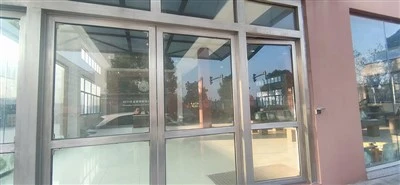
In conclusion, NIJ Standard bulletproof glass is indeed suitable for high – rise buildings. Its high – level security, durability, and aesthetic flexibility make it a valuable addition to any high – rise project. However, it’s essential to carefully consider the technical aspects, including structural integrity, energy efficiency, and installation and maintenance. While there are some drawbacks such as cost and replacement part availability, the benefits often outweigh these challenges.
Bulletproof Glass for Stanag 4569 Standard If you’re involved in a high – rise building project and are considering using NIJ Standard bulletproof glass, I encourage you to reach out for a detailed discussion. We can provide customized solutions based on your specific security requirements, budget constraints, and architectural vision. Together, we can create a safe and stylish environment for your high – rise building.
References
- National Institute of Justice (NIJ). (Year). [Title of NIJ Bulletin on Bullet – Resistant Standards]. NIJ Publications.
- [Author Last Name, First Name]. (Year). "Bulletproof Glass: Technology and Applications in High – Rise Buildings." [Journal Name], [Volume Number], [Page Numbers].
- [Author Last Name, First Name]. (Year). "Structural Considerations for Installing Bulletproof Glass in High – Rise Structures." [Conference Proceedings Title]. [Conference Location].
Shaoxing Transparent Armoring Materials Co., Ltd.
As one of the most professional bulletproof glass for nij standard manufacturers and suppliers in China, we’re featured by quality products and good service. Please rest assured to buy durable bulletproof glass for nij standard made in China here from our factory. We also accept customized orders.
Address: No.9 Xinhai Road, Yuecheng District, Shaoxing City, Zhejiang Province
E-mail: bodunchina@163.com
WebSite: https://www.king-armor.com/
