Panasonic sensors are renowned for their reliability, precision, and versatility across a multitude of industries. As a legitimate supplier of Panasonic sensors, I understand the importance of providing accurate information about these remarkable products, especially when it comes to their operating temperature range. This parameter is crucial as it directly impacts the sensor’s performance and longevity in various environments. Panasonic Sensor

Understanding the Basics of Operating Temperature Range
The operating temperature range of a sensor is the span of temperatures within which the sensor can function accurately and reliably. Outside of this range, the sensor’s performance may degrade, leading to inaccurate readings or even complete failure. Panasonic designs its sensors to meet the demands of diverse applications, from automotive and industrial to consumer electronics and environmental monitoring, each with its own unique temperature requirements.
Different Types of Panasonic Sensors and Their Temperature Ranges
1. Automotive Sensors
In the automotive industry, sensors are exposed to extreme temperature variations. For example, engine compartment sensors must withstand high temperatures generated by the engine, while exterior sensors can be subjected to cold winter temperatures. Panasonic’s automotive sensors, such as oxygen sensors and pressure sensors, typically have an operating temperature range of -40°C to 150°C. This wide range ensures that these sensors can provide accurate data under a variety of driving conditions and climates.
The oxygen sensors, which are critical for engine management and emissions control, are designed to operate at very high temperatures because they need to reach a certain activation temperature to function properly. The high end of the temperature range is set to handle the intense heat generated by the engine exhaust, while the low end ensures functionality in cold environments.
2. Industrial Sensors
Industrial applications often involve harsh environments with significant temperature fluctuations. Panasonic’s industrial sensors, used in processes such as manufacturing, automation, and energy production, are built to withstand these conditions. Many of these sensors have an operating temperature range of -20°C to 70°C.
For instance, proximity sensors used in conveyor systems or robotic assembly lines need to operate reliably in a factory setting where temperatures can vary depending on the time of day, the type of manufacturing process, and the presence of heating or cooling equipment. The defined temperature range ensures that these sensors can maintain their accuracy and responsiveness, contributing to the efficient operation of the industrial processes.
3. Consumer Electronics Sensors
In consumer electronics, such as smartphones, wearables, and home appliances, sensors are expected to work in normal indoor and some outdoor environments. Panasonic’s sensors for consumer electronics generally have an operating temperature range of -10°C to 60°C.
For example, the ambient light sensors used in smartphones need to accurately detect light levels in different lighting conditions, whether it’s indoors under artificial light or outdoors in sunlight. The temperature range is calibrated to ensure that the sensors can provide consistent and accurate readings for the device’s display brightness adjustment feature, regardless of the environmental temperature.
4. Environmental Monitoring Sensors
For environmental monitoring applications, sensors are deployed in various outdoor locations to measure factors such as air quality, humidity, and temperature. Panasonic’s environmental sensors are designed to operate in a broad temperature range, often from -20°C to 50°C.
These sensors need to function accurately in different climates, from the cold winters of temperate regions to the hot summers of tropical areas. The wide temperature range allows them to collect reliable data for environmental research, weather forecasting, and pollution control efforts.
Factors Affecting the Operating Temperature Range
Several factors influence the operating temperature range of Panasonic sensors. One of the primary factors is the materials used in the sensor’s construction. Different materials have different thermal properties, and Panasonic carefully selects materials that can withstand the expected temperature variations while maintaining the sensor’s performance characteristics.
Another factor is the sensor’s design and manufacturing process. Advanced manufacturing techniques allow Panasonic to create sensors with better heat dissipation and insulation properties, which helps to extend their operating temperature range. Additionally, the internal circuitry of the sensors is optimized to minimize the effects of temperature changes on the sensor’s electrical characteristics.
The intended application of the sensor also plays a role in determining the temperature range. Sensors designed for extreme environments, such as aerospace or deep – sea applications, may require a more extended temperature range compared to those used in more controlled indoor environments.
Importance of Staying within the Operating Temperature Range
Operating a sensor outside of its specified temperature range can have several negative consequences. First, it can lead to inaccurate readings. Temperature affects the physical properties of the materials used in the sensor, which can in turn impact the sensor’s output signal. For example, a temperature – sensitive resistance in a sensor may change its value more than expected at extreme temperatures, leading to incorrect measurements.
Second, operating outside the temperature range can reduce the sensor’s lifespan. High temperatures can cause the materials to degrade more quickly, such as the melting of solder joints or the aging of electronic components. Low temperatures can make the materials brittle, increasing the risk of mechanical failure.
To ensure the best performance and longevity of Panasonic sensors, it is essential to operate them within the recommended temperature range. This can be achieved through proper installation, including the use of heat sinks or insulation when necessary, and environmental control measures in the application area.
How We as a Supplier Can Help
As a supplier of Panasonic sensors, I am committed to providing our customers with the best products and support. We can assist you in selecting the right sensor based on your specific application and the expected temperature conditions. Our team of experts has in – depth knowledge of Panasonic sensors and can provide technical advice to ensure that you get the most out of your sensor.
We also offer installation guidance and after – sales support to help you maintain the sensors properly. If you encounter any issues related to the temperature range or other performance aspects of the sensors, our support team is ready to assist you in troubleshooting and finding solutions.
Contact Us for Your Purchasing Needs
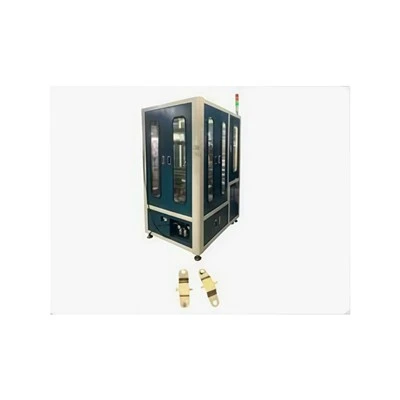
Front Assembly Riveting Production Line If you are in the market for high – quality Panasonic sensors and want to learn more about their operating temperature range and other features, we invite you to contact us. We are eager to discuss your requirements and provide you with a customized solution that meets your needs. Whether you are an automotive manufacturer, an industrial automation company, a consumer electronics developer, or an environmental monitoring agency, we have the right sensors for you. Let’s start a conversation about how Panasonic sensors can enhance the performance and reliability of your applications.
References
- Product Documentation from Panasonic Corporation: The official technical manuals and datasheets provide detailed information about the operating temperature range and other specifications of Panasonic sensors.
- Industry Research Reports: Reports from reputable industry research firms that analyze the performance and applications of sensors in different industries.
- Academic Journals: Articles in academic journals on sensor technology and the impact of temperature on sensor performance.
Yangning (Xiamen) Intelligent Technology Co., Ltd.
With abundant experience, we are one of the most professional panasonic sensor manufacturers in China. As we have world-leading production equipment and strong manufacturing capabilities, we warmly welcome you to buy bulk advanced panasonic sensor from our factory. Customized orders are welcome.
Address: Room 307-2, No. 15 Duiying Road, Software Park Phase III, Torch Hi-Tech Zone, Xiamen, Fujian, China
E-mail: mia@ynautos.com
WebSite: https://www.ynautos.com/
