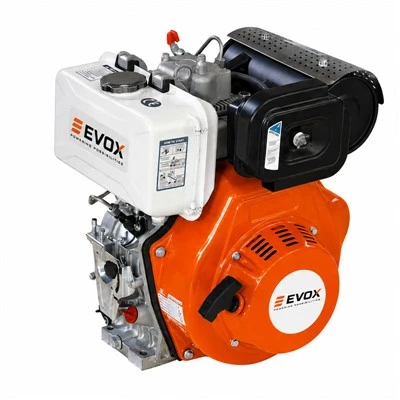
Yo, if you’re into diesel engines, you’ve probably heard about the crankcase ventilation system, but do you really know what it is and why it’s important? Well, I’m here to break it down for you. As a supplier of diesel engines, I deal with these systems on the daily, and let me tell you, they’re a crucial part of keeping your engine running smoothly. Diesel Engine
What the Heck Is a Crankcase Ventilation System?
First off, let’s start with the basics. The crankcase is the housing that contains the engine’s crankshaft, pistons, and other moving parts. It’s like the engine’s heart, where all the action happens. Now, when the engine is running, some of the combustion gases from the cylinders leak past the piston rings and into the crankcase. These gases are called blow-by gases, and if they’re not removed, they can cause a whole bunch of problems.
That’s where the crankcase ventilation system comes in. Its main job is to remove these blow-by gases from the crankcase and prevent them from building up. It does this by creating a flow of fresh air through the crankcase, which helps to carry the blow-by gases out of the engine.
How Does It Work?
There are two main types of crankcase ventilation systems: open and closed. Let’s take a look at how each one works.
Open Crankcase Ventilation System
The open system is the simpler of the two. It basically just vents the blow-by gases directly into the atmosphere. It usually consists of a breather tube that’s connected to the crankcase. As the engine runs, the blow-by gases are pushed out through the breather tube and into the air.
The problem with open systems is that they can release harmful pollutants into the environment. These pollutants include hydrocarbons, carbon monoxide, and nitrogen oxides, which can contribute to air pollution and smog. That’s why most modern diesel engines use closed crankcase ventilation systems instead.
Closed Crankcase Ventilation System
The closed system is a bit more complex, but it’s also much better for the environment. Instead of venting the blow-by gases directly into the atmosphere, it recirculates them back into the engine’s intake system, where they’re burned along with the fuel.
A closed system typically includes a PCV (positive crankcase ventilation) valve or a CCV (crankcase ventilation) filter. The PCV valve regulates the flow of blow-by gases from the crankcase to the intake system, while the CCV filter removes any oil and debris from the gases before they’re recirculated.
Why Is It So Important?
Now that you know what the crankcase ventilation system is and how it works, let’s talk about why it’s so important.
Prevents Oil Contamination
One of the main reasons the crankcase ventilation system is important is that it helps to prevent oil contamination. When blow-by gases build up in the crankcase, they can mix with the engine oil and form a sludge-like substance. This sludge can clog the oil passages and reduce the oil’s ability to lubricate the engine’s moving parts, which can lead to increased wear and tear and even engine failure.
Reduces Engine Wear
By removing the blow-by gases from the crankcase, the ventilation system also helps to reduce engine wear. The blow-by gases contain acidic substances that can corrode the engine’s internal components, such as the pistons, cylinders, and bearings. By removing these gases, the ventilation system helps to protect these components and extend the engine’s lifespan.
Improves Engine Performance
A properly functioning crankcase ventilation system can also improve engine performance. When the blow-by gases are removed from the crankcase, the engine can breathe more easily, which can lead to better fuel efficiency and more power. Additionally, by preventing oil contamination and reducing engine wear, the ventilation system helps to keep the engine running smoothly and efficiently.
Signs of a Problem
So, how do you know if there’s a problem with your crankcase ventilation system? Here are some common signs to look out for:
Excessive Oil Consumption
If you notice that your engine is consuming more oil than usual, it could be a sign of a problem with the crankcase ventilation system. When the system isn’t working properly, the blow-by gases can cause the oil to break down more quickly, which can lead to increased oil consumption.
Poor Engine Performance
A faulty crankcase ventilation system can also cause poor engine performance. If you notice that your engine is running rough, misfiring, or losing power, it could be a sign that the system isn’t working properly.
Oil Leaks
Another sign of a problem with the crankcase ventilation system is oil leaks. When the system is clogged or malfunctioning, the pressure in the crankcase can build up, which can cause the oil to leak out of the engine.
Maintenance Tips
To keep your crankcase ventilation system in good working condition, it’s important to perform regular maintenance. Here are some tips to help you keep your system running smoothly:
Check the PCV Valve or CCV Filter Regularly
The PCV valve or CCV filter is a key component of the crankcase ventilation system, and it should be checked regularly for signs of wear or damage. If the valve or filter is clogged or malfunctioning, it should be replaced immediately.
Change the Engine Oil Regularly
Changing the engine oil regularly is also important for keeping the crankcase ventilation system in good working condition. Fresh, clean oil helps to prevent the formation of sludge and other contaminants, which can clog the system and cause problems.
Keep the Engine Clean
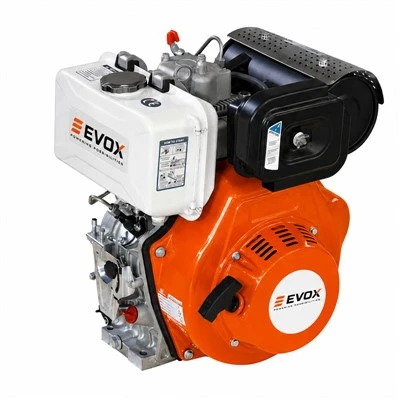
Finally, it’s important to keep the engine clean. Dirt and debris can accumulate on the outside of the engine and block the breather tubes or other components of the ventilation system. By keeping the engine clean, you can help to prevent these problems and ensure that the system is working properly.
Wrapping It Up
Tamping Rammer So, there you have it – a brief overview of the crankcase ventilation system in a diesel engine. As you can see, it’s a crucial part of keeping your engine running smoothly and efficiently. If you have any questions or concerns about your crankcase ventilation system, or if you’re interested in purchasing a diesel engine for your application, don’t hesitate to reach out. We’re here to help you find the right solution for your needs. Let’s start a conversation about how we can assist you with all your diesel engine requirements.
References
- Heywood, John B. Internal Combustion Engine Fundamentals. McGraw-Hill Education, 1988.
- Crolla, David A. Vehicle Dynamics: Theory and Application. CRC Press, 2001.
- Taylor, Charles Fayette. The Internal – Combustion Engine in Theory and Practice. MIT Press, 1966.
Evoxpower Technology
Evoxpower Technology is one of the most professional diesel engine manufacturers and suppliers in China, featured by quality products and good service. Please rest assured to buy the newest diesel engine in stock here and get pricelist from our factory. Contact us for customized service and OEM service.
Address: 11 Fortune Avenue, Yubei District, Chongqing, China
E-mail: stephen@allrightpower.com
WebSite: https://www.evoxpower.com/
