Hey everyone, it’s Jake here, and as someone who’s been deep in the vehicle weighing scale game for over a decade—running a small but reliable scale supply operation—I’ve lost count of how many times I’ve heard the same question: “How do I pick the right scale brand?” It’s not like grabbing a random coffee maker; a bad vehicle scale can halt a logistics yard, get you hit with fines for incorrect weigh-ins, or even lead to safety issues if it’s wonky. I’ve seen people jump on cheap Amazon knockoffs that died in 6 months, or splurge on fancy brands that overcomplicated things for their small fleet, so let’s break this down like I’d chat with a fellow yard manager or transport owner over a cold soda. Vehicle Weighing Scale

First up, let’s talk about real-world accuracy, not just lab test numbers. I can’t tell you how many times a brand’s sales rep will rattle off a “99.8% accuracy rate” from a climate-controlled lab, but that’s totally different from what happens when you’ve got 18-wheelers banging over your scale at 2 a.m., or a mix of farm trucks, delivery vans, and construction equipment rolling in all day. Last year, a local recycling yard hit me up because their new scale from a big national brand was off by 1,200 pounds on average—turns out their “lab accuracy” didn’t account for the rough gravel base the yard had (no leveling done right after installation, which the sales guy skipped over). Good brands don’t just brag about technical specs; they test their scales against actual working conditions: what’s your typical vehicle mix? Do you work in rain, snow, or super dusty environments? A solid brand will ask you that before pushing a model. My team, for example, pre-tests every scale we sell on job sites that match the customer’s exact use—no blind shipping a unit that wasn’t checked out. Also, calibration support isn’t just a one-time thing. Some brands make you send a technician out every 6 months, which costs a fortune, while good ones give you easy, on-site calibration tools (and free guides) so your in-house team can handle it, plus remote checks if you have Wi-Fi.
Next, durability that matches your workload, not the “one-size-fits-all” garbage. Let’s be real: a scale at a port where 100 trucks come through daily is way different from a small plumbing company that weighs 5 vans once a week. I worked with a small landscaping outfit last year that bought a super heavy-duty industrial scale meant for mining—cost them twice as much, and they never used more than 10% of its capacity. Worse, it was too big to fit their yard, so they wasted thousands on customization they didn’t need. On the flip side, a local moving company tried a cheap scale meant for light delivery trucks, and after 3 months of lifting 12,000-pound moving vans, the load cells started rusting through. Load cells are the heart of a vehicle scale, right? Cheap ones use thin steel that rusts or bends, while reliable brands use high-grade stainless steel or sealed aluminum that can handle weather and repeated impact. Also, think about the surface the scale sits on: if you’re on soft dirt vs. concrete, a brand that offers pre-cast pads (so you don’t have to pour custom concrete) is a game-changer. I always steer customers away from brands that don’t let you pick scale size or load cell type—everyone’s workload is unique, no exceptions.
Then there’s installation and support that doesn’t ghost you on day one. This is the part most people overlook until their scale breaks at 7 a.m. on a Monday and the brand’s support line is down for “maintenance.” A good scale brand will have local installers, not guys driving 4 hours from another state. Last quarter, a delivery client of mine had their scale’s display go kaput on a holiday weekend—our tech was there in 3 hours, swapped it out in 20 minutes, no extra rush fees. I’ve seen competitors sell scales and then make customers wait a week for a part because they ship from a warehouse across the country. Also, what kind of training do you get? A lot of cheap brands give you a paper manual that’s written like it’s for an engineer, not a yard manager who just needs to hit a button to get a weigh-in. Good brands offer free, in-person or virtual training—even a 30-minute walkthrough to show you how to troubleshoot basic stuff, like error codes or adjusting for uneven vehicle weight. If a brand can’t tell you exactly how their support works (local techs, response time, after-hours help), run the other way. I once heard a horror story from a grocery chain where their scale was down for 10 days because the brand took 8 days to send a part and charged $500 for a service call that should’ve been covered under warranty. Warranties matter too—aim for at least 3 years on load cells, not the 1-year junk some brands push.
Oh, and tech compatibility that doesn’t lock you in. In 2024, if your scale can’t sync with your GPS, fleet management software, or even your phone, you’re wasting time writing down weigh-in numbers manually (and making mistakes). A lot of big brands use proprietary software that only works with their displays—so if you want to switch to a new fleet app down the line, you have to buy a whole new scale. Good brands use standard protocols (like Wi-Fi, Bluetooth, or USB) so you can connect to whatever tools you already use. For example, we sell scales that sync directly to QuickBooks for small businesses, or to fleet software like Samsara for bigger operations, no extra fees. I had a client last year who was paying $100 a month to a brand for “cloud access” that they didn’t even need—we swapped out their display to a standard one, saved them $1,200 a year. Also, avoid brands that require you to use their mobile app exclusively. What if your phone dies? A physical backup display is non-negotiable.
Wait, let’s not forget total cost, not just the upfront price. I know it’s tempting to go for the cheapest quote, but I’ve seen so many customers end up paying more in the long run. A $5,000 scale that breaks every 18 months, costs $1,000 a year in calibration, and has a 1-year warranty is way worse than a $7,000 scale that lasts 10 years, has free calibration tools, and a 5-year warranty. Last year, a construction company I worked with bought a cheap scale online for $4,200; it broke 9 months later, they paid $800 for a new load cell, and then another $1,500 for installation, so total was $6,500—more than the mid-range scale they could’ve gotten from us in the first place. Also, factor in repair time: if your scale is down, you’re losing money every hour. A brand that offers fast, local repairs is worth paying a little more for. Don’t be fooled by “rock-bottom” prices—always ask for the full breakdown: installation, calibration, parts, service calls, warranty, and any extra fees.
Let’s talk about a few red flags to watch out for, just to keep this real. First, brands that won’t let you talk to past customers. If a rep says “all our customers are happy” but won’t give you references, that’s a bad sign. I always give my customers 3-5 references within a 50-mile radius so they can call someone and ask, “How fast is support?” “Did the scale hold up for your fleet?” Second, brands that pressure you to sign a contract or pay a huge deposit before you even see a demo. We never ask for more than 30% deposit, and we always do a free demo (or send a video of it working) before you commit. Third, brands that cut corners on documentation. If they don’t give you a certificate of calibration, or detailed installation guides, or part numbers for easy replacements, that’s a sign they don’t care about long-term use.
At the end of the day, your vehicle scale isn’t just a piece of equipment—it’s the backbone of your daily operations. If you’re moving goods, weighing cargo, or checking truck weights for compliance, a bad scale can cost you money, time, and even headaches with regulators. That’s why my team focuses on matching every customer to the exact scale they need, not pushing the biggest, most expensive one just to make a sale. We know what it’s like to run a tight ship, so we don’t play games with fine print or overcharge for unnecessary features.
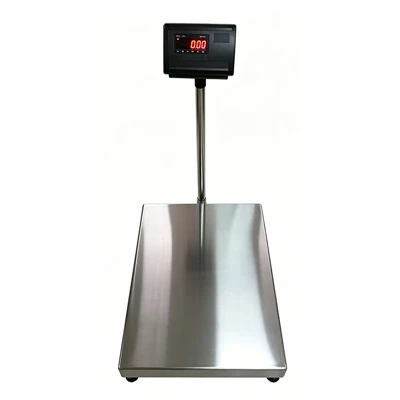
If you’re shopping around, or if you’re tired of dealing with a scale brand that ghosted you when you needed help, hit us up to chat. We can walk you through different models, answer all your questions, even connect you with local customers who’ve been using our scales for years—no sales pitch, just real talk. No pressure, just help finding what works for your business.
Weighbridge References:
National Institute of Standards and Technology (NIST) Handbook 44: Specifications, Tolerances, and Other Technical Requirements for Weighing and Measuring Devices
Fleet Equipment Magazine: 2023 Guide to Vehicle Weighing Scale Durability & Reliability
American Trucking Associations: Best Practices for Commercial Vehicle Weight Management Compliance
Shanghai Eagle Brand Weighing Apparatus Co., Ltd.
As one of the most professional vehicle weighing scale manufacturers and suppliers in China, we’re featured by quality products and good service. Welcome to wholesale advanced vehicle weighing scale in stock here and get pricelist from our factory. We also accept customized orders.
Address: No. 124, Group 1, Baqiao, Wangjiawei, Zhelin Town, Fengxian District, Shanghai
E-mail: 13386116000@163.com
WebSite: https://www.cneaglebrand.com/
