How to Load Grain into a Steel Silo
As a seasoned supplier in the grain steel silo industry, I’ve had the privilege of witnessing the crucial role these structures play in modern agriculture. Loading grain into a steel silo is a process that demands careful planning, precision execution, and a deep understanding of both the silo’s design and the characteristics of the grain being stored. In this blog post, I’ll share my insights on how to load grain into a steel silo effectively and safely. Grain Steel Silo
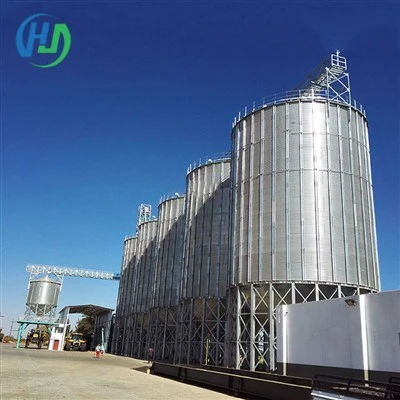
Understanding the Basics of Steel Silos
Before delving into the loading process, it’s essential to have a basic understanding of steel silos. These structures are designed to store large quantities of grain in a controlled environment, protecting them from pests, moisture, and other external factors. Steel silos come in various sizes and designs, each tailored to specific storage requirements. Some silos are equipped with advanced features such as ventilation systems, temperature sensors, and monitoring devices to ensure optimal storage conditions.
Key Components of a Steel Silo
- Silo Body: The silo body is the main storage structure, typically made of high-quality steel plates. It is designed to withstand the weight of the grain and external forces such as wind and snow.
- Roof: The roof of the silo provides protection from the elements and prevents rain, snow, and sunlight from entering the storage area.
- Outlet: The outlet is located at the bottom of the silo and is used to discharge the grain when needed. It is usually equipped with a gate or valve to control the flow of grain.
- Ventilation System: A ventilation system is essential for maintaining proper air circulation inside the silo, preventing the buildup of moisture and mold.
- Monitoring Devices: Monitoring devices such as temperature sensors and moisture meters are used to monitor the conditions inside the silo and ensure the quality of the stored grain.
Preparing the Silo for Loading
Before loading grain into the silo, it’s crucial to prepare the silo to ensure a smooth and efficient loading process. Here are the steps to follow:
Inspect the Silo
- Check for Damage: Inspect the silo for any signs of damage, such as dents, cracks, or rust. Repair any damage before loading the grain to prevent leaks and ensure the integrity of the silo.
- Clean the Silo: Thoroughly clean the inside of the silo to remove any debris, dust, or old grain. This will help prevent contamination of the new grain and ensure a clean storage environment.
- Check the Ventilation System: Ensure that the ventilation system is working properly and that all vents are clear of obstructions. Proper ventilation is essential for maintaining the quality of the stored grain.
Install Loading Equipment
- Choose the Right Loading Equipment: Select the appropriate loading equipment based on the type and quantity of grain you will be loading. Common loading equipment includes conveyors, augers, and bucket elevators.
- Install the Loading Equipment: Install the loading equipment in a secure and stable location near the silo. Ensure that the equipment is properly aligned and connected to the silo to prevent spills and ensure efficient loading.
- Test the Loading Equipment: Before loading the grain, test the loading equipment to ensure that it is working properly. Check for any leaks, blockages, or other issues that may affect the loading process.
Plan the Loading Process
- Determine the Loading Rate: Calculate the loading rate based on the capacity of the silo and the type of loading equipment you will be using. This will help you determine the time required to load the silo and ensure that the loading process is efficient.
- Establish a Loading Schedule: Develop a loading schedule to ensure that the grain is loaded into the silo at the appropriate time. Consider factors such as weather conditions, grain quality, and storage capacity when planning the loading schedule.
- Coordinate with the Grain Supplier: Communicate with the grain supplier to ensure that the grain is delivered to the silo at the scheduled time. Provide the supplier with detailed instructions on the loading process and any specific requirements you may have.
Loading the Grain into the Silo
Once the silo is prepared and the loading equipment is installed, it’s time to start loading the grain into the silo. Here are the steps to follow:
Start the Loading Equipment
- Turn on the Power: Turn on the power to the loading equipment and ensure that it is running smoothly.
- Adjust the Loading Rate: Adjust the loading rate of the equipment based on the capacity of the silo and the type of grain you are loading. Start the loading process slowly and gradually increase the loading rate as the silo fills up.
Monitor the Loading Process
- Check the Grain Level: Regularly check the grain level inside the silo using a level indicator or by visually inspecting the silo. Stop the loading process when the silo is nearly full to prevent overloading.
- Inspect the Grain Quality: Monitor the quality of the grain as it is being loaded into the silo. Check for any signs of damage, contamination, or pest infestation. If any issues are found, take immediate action to address them.
- Check the Ventilation System: Ensure that the ventilation system is working properly during the loading process. Proper ventilation is essential for maintaining the quality of the stored grain.
Complete the Loading Process
- Stop the Loading Equipment: Once the silo is full, stop the loading equipment and turn off the power.
- Seal the Silo: Seal the silo to prevent air and moisture from entering the storage area. This will help maintain the quality of the stored grain and prevent spoilage.
- Clean the Loading Equipment: Clean the loading equipment to remove any residual grain or debris. This will help prevent contamination and ensure the longevity of the equipment.
Post-Loading Procedures
After the grain is loaded into the silo, there are several post-loading procedures that you need to follow to ensure the quality and safety of the stored grain. Here are the steps to follow:
Monitor the Grain Condition
- Check the Temperature and Moisture Levels: Regularly monitor the temperature and moisture levels inside the silo using temperature sensors and moisture meters. Keep the temperature and moisture levels within the recommended range to prevent spoilage and mold growth.
- Inspect the Grain for Pests and Diseases: Conduct regular inspections of the grain for signs of pests and diseases. If any issues are found, take immediate action to address them.
- Rotate the Grain: If possible, rotate the grain in the silo periodically to prevent the formation of hot spots and ensure uniform distribution of the grain.
Maintain the Silo
- Inspect the Silo for Damage: Regularly inspect the silo for any signs of damage, such as dents, cracks, or rust. Repair any damage immediately to prevent leaks and ensure the integrity of the silo.
- Clean the Silo Interior: Clean the inside of the silo periodically to remove any debris, dust, or old grain. This will help prevent contamination of the new grain and ensure a clean storage environment.
- Maintain the Ventilation System: Ensure that the ventilation system is working properly and that all vents are clear of obstructions. Clean the ventilation system regularly to prevent the buildup of dust and debris.
Record the Loading and Storage Information
- Keep a Loading Log: Keep a detailed record of the loading process, including the date, time, quantity, and type of grain loaded into the silo. This will help you track the inventory and ensure that the grain is stored properly.
- Record the Storage Conditions: Record the temperature, moisture levels, and other storage conditions inside the silo on a regular basis. This will help you monitor the quality of the stored grain and make any necessary adjustments to the storage conditions.
Conclusion
Grain Cleaning Fan Loading grain into a steel silo is a complex process that requires careful planning, precision execution, and a deep understanding of both the silo’s design and the characteristics of the grain being stored. By following the steps outlined in this blog post, you can ensure that the loading process is efficient, safe, and successful. As a trusted grain steel silo supplier, I’m always here to provide you with the support and guidance you need to make the most of your storage solutions. If you have any questions or need further information, please don’t hesitate to contact us. We look forward to working with you to meet your grain storage needs.
References
- Smith, J. (2020). Grain Storage Handbook. Agricultural Extension Service, University.
- Brown, A. (2019). Steel Silo Design and Construction Guide. Structural Engineering Institute.
- Johnson, M. (2018). Best Practices for Grain Loading and Storage. Grain Science and Technology Journal.
Henan Huinong Machinery Co., Ltd.
Henan Huinong Machinery Co., Ltd. is one of the most professional grain steel silo manufacturers and suppliers in China, featured by quality products and low price. Please rest assured to buy discount grain steel silo from our factory. We also accept customized orders.
Address: No. 6, Northeast Corner of the Intersection of Renmin Road and Zhujiang Road, New District, Huaxian County, Henan Province
E-mail: frank.tang@huinongmachinery.com
WebSite: https://www.huinongmachinery.com/
