Are solar lamps affected by dust?
As a supplier of solar lamps, I’ve encountered numerous inquiries from customers about the performance of these eco – friendly lighting solutions. One question that frequently comes up is whether solar lamps are affected by dust. In this blog post, I’ll delve into this topic, providing a comprehensive scientific analysis and practical insights based on our experience in the industry. Solar Lamp

The Working Principle of Solar Lamps
Before we discuss the impact of dust, let’s understand how solar lamps function. Solar lamps are equipped with photovoltaic (PV) panels that convert sunlight into electrical energy. When sunlight hits the PV panels, the photons in the sunlight knock electrons loose in the semiconductor material of the panels, creating an electric current. This electrical energy is then stored in a rechargeable battery during the day. At night, the battery powers the light source, such as an LED, to illuminate the area.
Dust and Its Physical Properties
Dust is a collection of small solid particles that are suspended in the air. These particles can vary in size, composition, and shape. Common sources of dust include soil, pollen, industrial emissions, and vehicle exhaust. The size of dust particles typically ranges from a few nanometers to several hundred micrometers. Smaller particles are more likely to remain suspended in the air for longer periods and can be carried by wind over long distances.
How Dust Affects Solar Lamps
Impact on PV Panels
The most direct impact of dust on solar lamps is on the PV panels. When dust accumulates on the surface of the PV panels, it acts as a barrier between the sunlight and the semiconductor material. This reduces the amount of sunlight that can reach the PV cells, thereby decreasing the efficiency of the energy conversion process.
The reduction in sunlight exposure is due to two main factors: absorption and reflection. Dust particles can absorb a portion of the sunlight that hits them, converting the light energy into thermal energy. Additionally, the irregular surface of dust particles can cause sunlight to be reflected away from the PV panels rather than being absorbed for energy conversion.
The extent of the efficiency loss depends on several factors, including the thickness of the dust layer, the size and composition of the dust particles, and the angle of the sunlight. A thin layer of fine dust may cause a relatively small reduction in efficiency, while a thick layer of coarse dust can significantly impair the performance of the PV panels.
Impact on Light Output
In addition to affecting the PV panels, dust can also impact the light output of solar lamps. If dust settles on the lens or cover of the lamp, it can scatter and absorb the light emitted by the LED. This reduces the intensity of the light that is projected outward, making the lamp less effective in illuminating the desired area.
Over time, the accumulation of dust on the lamp components can also lead to a gradual degradation of the light quality. For example, the color temperature of the light may change, and the beam pattern may become less uniform.
Impact on Battery Life
Although dust does not directly affect the battery, the reduced energy input from the PV panels due to dust accumulation can have an indirect impact on the battery life. If the PV panels are not able to charge the battery fully because of dust, the battery will be operating at a lower state of charge more frequently. This can lead to a shorter lifespan of the battery, as frequent partial charging and discharging cycles can cause chemical degradation within the battery.
Measuring the Impact of Dust
To accurately assess the impact of dust on solar lamps, we conduct a series of tests in our laboratory. We use dust chambers to simulate different levels of dust accumulation on the PV panels and lamps. By measuring the power output of the PV panels and the light output of the lamps before and after dust exposure, we can quantify the reduction in performance.
In one set of tests, we found that a thin layer of dust (equivalent to about 1 gram per square meter) on the PV panels reduced the power output by approximately 5 – 10%. As the dust layer thickness increased to 5 grams per square meter, the power output reduction reached 20 – 30%. These results clearly demonstrate that even a relatively small amount of dust can have a significant impact on the performance of solar lamps.
Mitigating the Effects of Dust
Self – Cleaning Mechanisms
Some of the solar lamps we offer are equipped with self – cleaning mechanisms to minimize the impact of dust. For example, we use hydrophobic coatings on the PV panels and lamp covers. These coatings cause water droplets to bead up and roll off the surface, carrying dust particles with them. This is particularly effective in areas with regular rainfall, as the rain can help to clean the solar lamps naturally.
Regular Maintenance
In addition to self – cleaning mechanisms, regular maintenance is essential to ensure the optimal performance of solar lamps. We recommend that customers clean the PV panels and lamp covers at least once a month, or more frequently in dusty environments. Cleaning can be done using a soft cloth or a gentle stream of water. It’s important to avoid using abrasive materials that could scratch the surface of the PV panels or lamp covers, as this could further reduce their efficiency.
Installation Location
The installation location of solar lamps also plays a crucial role in minimizing dust accumulation. We advise customers to install solar lamps away from sources of dust, such as construction sites, unpaved roads, and industrial areas. Additionally, positioning the lamps at an angle that allows for natural runoff of rainwater can help to keep the surfaces clean.
Conclusion
In conclusion, dust can have a significant impact on the performance of solar lamps. It reduces the efficiency of PV panels, decreases the light output, and can even shorten the battery life. However, with the right design features, maintenance practices, and installation strategies, the effects of dust can be effectively mitigated.
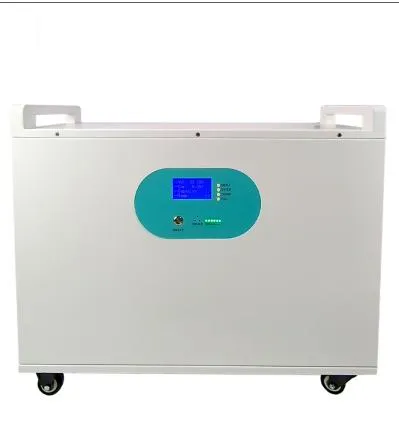
As a solar lamp supplier, we are committed to providing high – quality products that are designed to withstand various environmental conditions, including dust. Our team of experts is constantly researching and developing new technologies to improve the performance and durability of our solar lamps.
Solar Lamp If you are interested in purchasing solar lamps for your project or application, we would be delighted to discuss your specific requirements with you. We offer a wide range of solar lamps with different features and specifications to meet your needs. Contact us today to initiate a procurement discussion, and let us help you find the perfect solar lighting solution.
References
- "Solar Photovoltaic Systems: Design and Installation Guide" by Steve Andrews
- "Principles of Solar Engineering" by Soteris A. Kalogirou
- "Photovoltaic Science and Engineering" by Jenny Nelson
Hebei Mutian Solar Energy Technology Development Co., Ltd.
Hebei Mutian Solar Energy Technology Development Co., Ltd. is one of the most professional solar lamp manufacturers and suppliers in China, featured by quality products and good service. Please rest assured to buy solar lamp in stock from our factory. Contact us for customized service.
Address: Room 3120, Block A, Zhili Building, 77 Fuxing West Road, Baoding City, Hebei Province, China
E-mail: mona@solarmt.com
WebSite: https://www.solar-systemkit.com/
