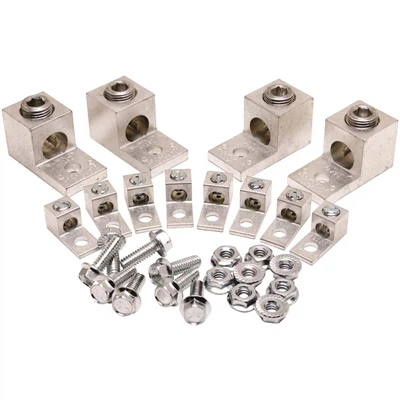
In the realm of manufacturing, precision custom components play a pivotal role across various industries, from aerospace and automotive to medical and electronics. As a supplier of precision custom components, I understand the critical importance of safety regulations in this field. Safety is not just a buzzword; it is the cornerstone of our operations, ensuring the well – being of our employees, the quality of our products, and the satisfaction of our customers. Precision Custom Components
The Need for Safety Regulations in Precision Custom Components
Precision custom components are often used in high – stakes applications where even the slightest deviation can lead to catastrophic consequences. For example, in the aerospace industry, a faulty precision part could endanger the lives of passengers and crew. In the medical field, a poorly manufactured component in a medical device could compromise patient safety. Therefore, strict safety regulations are necessary to maintain the integrity and reliability of these components.
One of the primary reasons for safety regulations is to protect the workers involved in the manufacturing process. The production of precision custom components often involves the use of high – tech machinery, sharp tools, and hazardous materials. Without proper safety measures, workers are at risk of injuries such as cuts, burns, and exposure to harmful chemicals. Safety regulations mandate the use of personal protective equipment (PPE), proper training, and regular maintenance of equipment to minimize these risks.
Another crucial aspect is the quality of the components themselves. Safety regulations set standards for the materials, manufacturing processes, and testing procedures. This ensures that the components meet the required specifications and perform as expected. For instance, in the automotive industry, safety regulations dictate the strength and durability of components such as brakes and steering systems. By adhering to these regulations, we can guarantee that our products are safe and reliable.
Key Safety Regulations in the Precision Custom Components Industry
There are several safety regulations that govern the production of precision custom components. One of the most well – known is ISO 9001, which is an international standard for quality management systems. ISO 9001 focuses on ensuring that companies have a robust quality management system in place to consistently provide products and services that meet customer and regulatory requirements. This standard covers all aspects of the manufacturing process, from design and development to production, installation, and servicing.
In addition to ISO 9001, there are industry – specific safety regulations. For example, in the aerospace industry, components must comply with the requirements of the Federal Aviation Administration (FAA) in the United States or the European Union Aviation Safety Agency (EASA). These regulations cover areas such as material selection, manufacturing processes, and testing procedures to ensure the safety and reliability of aerospace components.
In the medical device industry, components must adhere to the regulations set by the Food and Drug Administration (FDA) in the United States or the European Union’s Medical Device Regulation (MDR). These regulations are designed to protect the health and safety of patients by ensuring that medical devices are safe, effective, and of high quality.
Implementing Safety Regulations in Our Manufacturing Process
As a supplier of precision custom components, we take safety regulations very seriously. We have a comprehensive quality management system in place that is based on ISO 9001 standards. This system ensures that every step of the manufacturing process is carefully monitored and controlled to meet the highest safety and quality standards.
We start by carefully selecting our materials. We work with trusted suppliers who provide high – quality materials that meet the required specifications. Our quality control team conducts thorough inspections of the materials upon arrival to ensure their integrity.
During the manufacturing process, we use state – of – the – art machinery and equipment. Our operators are highly trained and follow strict safety protocols. They wear the appropriate PPE, such as safety glasses, gloves, and ear protection. We also conduct regular maintenance and calibration of our equipment to ensure its proper functioning.
Testing is a crucial part of our manufacturing process. We use a variety of testing methods, including non – destructive testing (NDT) techniques such as ultrasonic testing and X – ray inspection. These tests help us detect any internal defects or flaws in the components. We also perform functional testing to ensure that the components meet the required performance criteria.
Benefits of Complying with Safety Regulations
Complying with safety regulations brings numerous benefits to our company and our customers. Firstly, it enhances the safety of our employees. By providing a safe working environment, we reduce the risk of accidents and injuries, which in turn improves employee morale and productivity.
Secondly, it improves the quality of our products. By adhering to strict safety regulations, we can ensure that our components are of the highest quality and meet the required specifications. This leads to greater customer satisfaction and loyalty.
Thirdly, it gives us a competitive edge in the market. In today’s highly competitive business environment, customers are increasingly demanding products that are safe and reliable. By demonstrating our commitment to safety regulations, we can differentiate ourselves from our competitors and attract more customers.
The Future of Safety Regulations in the Precision Custom Components Industry
As technology continues to advance, the precision custom components industry is likely to face new challenges and opportunities in terms of safety regulations. For example, the increasing use of additive manufacturing (3D printing) in the production of precision components requires new safety standards and regulations.
Additive manufacturing allows for the creation of complex geometries that were previously impossible to produce using traditional manufacturing methods. However, it also introduces new risks, such as the potential for defects in the printed parts and the release of harmful particles during the printing process. Therefore, there is a need for new safety regulations to address these issues.
Another area of development is the use of artificial intelligence (AI) and machine learning in the manufacturing process. AI can be used to monitor and control the manufacturing process in real – time, detect potential safety issues, and optimize the production process. However, this also requires new regulations to ensure the ethical and safe use of AI in the manufacturing industry.
Conclusion
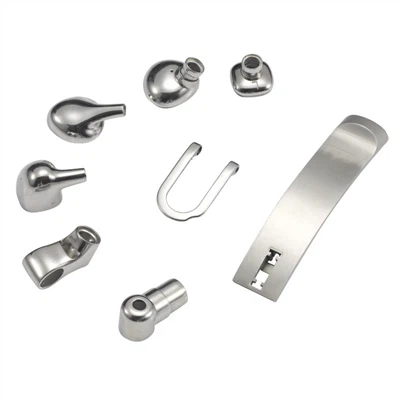
In conclusion, safety regulations are an essential part of the precision custom components industry. They protect the workers, ensure the quality of the products, and enhance the overall safety and reliability of the components. As a supplier of precision custom components, we are committed to complying with all relevant safety regulations and continuously improving our safety management system.
Construction Machinery Parts If you are in the market for high – quality precision custom components, we invite you to contact us for a procurement discussion. Our team of experts is ready to work with you to understand your specific requirements and provide you with the best – in – class solutions.
References
- ISO 9001:2015 Quality management systems — Requirements
- Federal Aviation Administration (FAA) regulations
- European Union Aviation Safety Agency (EASA) regulations
- Food and Drug Administration (FDA) regulations for medical devices
- European Union’s Medical Device Regulation (MDR)
Hubei Kangding Machinery Equipment Co., Ltd.
We’re well-known as one of the leading precision custom components manufacturers and suppliers in China, specialized in providing high quality customized products. Please feel free to buy advanced precision custom components for sale here from our factory. For pricelist, contact us now.
Address: Qianchang Industrial Park, Jingshan County, Jingmen City, Hubei Province
E-mail: 339248585@qq.com
WebSite: https://www.cnkangding.com/
